Visamundi, the French specialist in visas and international entry formalities, has published its 2027 trends report.
It outlines the main developments taking shape and what border obligations travellers can expect in the months ahead.
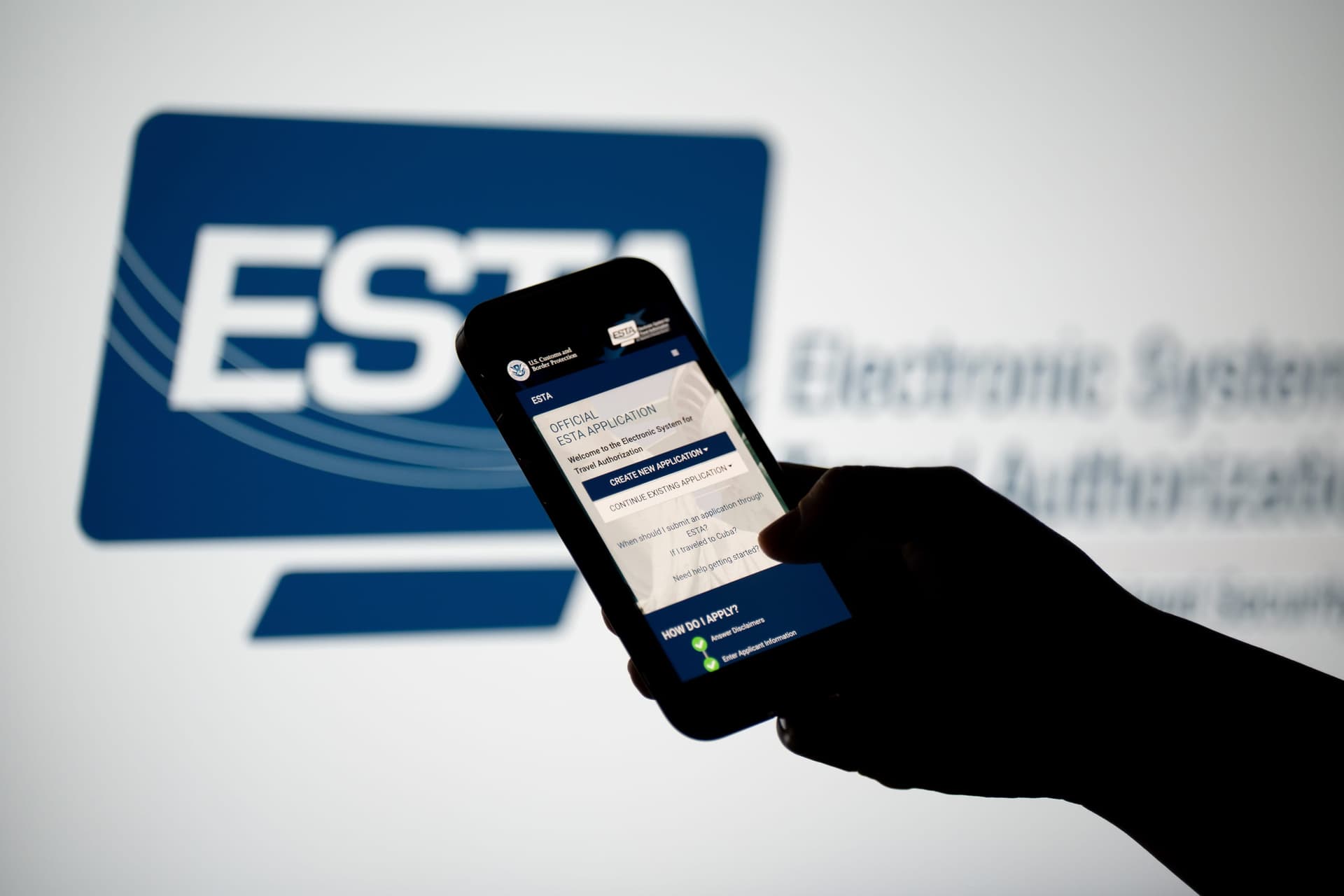
Visamundi says the electronic authorisations adopted by the United States (ESTA), Canada (eTA) and the United Kingdom (ETA) are set to become the norm.
Schengen is preparing its European Travel Information and Authorisation System (ETIAS) and Japan plans to launch JESTA in 2028.
Existing schemes are likely to become more expensive, the report estimates, and regional visas common to several countries could appear as diplomatic relations evolve.
These new authorisations go hand in hand with greater collection of personal and biometric data.
The smartphone is becoming the primary administrative counter, and the report anticipates wider use of AI to pre‑check and process applications before submission.
Agencies, airlines and platforms will in turn integrate these regulatory data points via APIs.
These trends are driven by stakeholder motivations, Visamundi argues: states want to know their visitors better for security reasons and see in these systems a way to raise revenue.
“We are witnessing the emergence of a world where reciprocity is becoming the norm, much like negotiations around customs duties, which is drastically complicating our job,” said Sébastien Couix, founder and chief executive of Visamundi.
“Some NGOs speak of an ‘instrumentalisation of migration policies’, and it is hard to disagree.”
For destinations, border formalities and their price are a lever to adjust visitor flows and curb overtourism.
The report cites, for example, India’s e‑Visa fee dropping from $25 to $10 between April and June.
For travellers, prior authorisations are insurance against denied boarding and a promise of a smoother passage through the airport.
These shifts will also shape traveller behaviour, says the entry‑formalities specialist.
Because such authorisations are reputed to be very quick to obtain, often within minutes, last‑minute departures could become the norm.
And in a more unstable regulatory and geopolitical environment, keeping watch has become essential for both travellers and travel professionals.